





The Academy of Brain Stimulation brings together a distinguished international faculty of world-renowned experts in transcranial magnetic stimulation (TMS) and non-invasive brain stimulation.
Our TMS Certification Program is designed and delivered by internationally recognized neuroscientists, clinicians, and key opinion leaders who have played a pivotal role in establishing TMS as an evidence-based treatment across psychiatry, neurology, and neurorehabilitation.
Beyond teaching, our faculty members are at the forefront of scientific discovery and clinical innovation. They develop and validate novel brain stimulation technologies, stimulation protocols, and therapeutic applications that continue to shape the future of neuromodulation. Collectively, their work comprises thousands of peer-reviewed scientific publications, influential clinical guidelines, and pioneering research that have helped define, validate, and advance modern brain stimulation worldwide.
By learning directly from the scientists and clinicians who are driving innovation in the field, participants gain not only practical clinical skills but also unique insights into the latest scientific developments and the future of evidence-based brain stimulation.
Professor of Brain Stimulation
Maastricht University, the Netherlands
Professor for Clinical Applications of Noninvasive Brain Stimulation
Maastricht University, the Netherlands
Associate Professor of Psychiatry
Toronto Western Research Institute, Canada
Associate Professor of Cognitive Neuroscience
Maastricht University, the Netherlands
Cognitive Neuroscientist & Managing Director
BrainStim Neuromodulation Center Düsseldorf, Germany
Cognitive Neuroscientist & Managing Director
Neurowave Neuromodulation Center Amsterdam, the Netherlands
Occupational Therapist & Cognitive Neuroscientist
Kings College Hospital Dubai, UAE
Director of the Institute of Neuroscience
Catholic University of Cuenca, Ecuador
Assistant Professor, School of Psychology
The University of Nottingham, UK
Cognitive Neuroscientist
Radboud University Medical Center, The Netherlands
Cognitive Neuroscientist
Ghent University, Belgium & Technical University Eindhoven, The Netherlands
Physician & Cognitive Neuroscientist
Ghent University, Belgium & Technical University Eindhoven, The Netherlands
Consultant Psychiatrist & Certified Psychotherapist
Maastricht University, The Netherlands
Psychiatrist | Clinical Neuromodulation & Interventional Psychiatry
Andalusian Institute of Brain Health, Spain
 Your cart is empty
 |
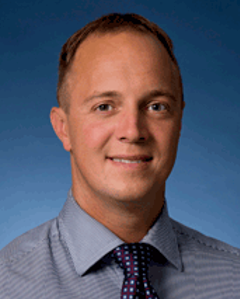
Prof. Dr. Alexander T. Sack is Chair and Full Professor of Brain Stimulation and Applied Cognitive Neuroscience at Maastricht University and Maastricht University Medical Center+ (MUMC+), home to the Transcranial Brain Stimulation Policlinic. He is internationally recognized as a leading expert in non-invasive brain stimulation (NIBS), particularly transcranial magnetic stimulation (TMS), and has been a driving force behind the clinical implementation of TMS in the Netherlands and across Europe.
Over the past two decades, Professor Sack has translated cutting-edge neuroscience into innovative neuromodulation treatments for psychiatric and neurological disorders. His work has been instrumental in establishing repetitive transcranial magnetic stimulation (rTMS) as an evidence-based treatment for depression within routine clinical practice. He has played a pivotal role in developing interdisciplinary treatment programs and training specialized TMS clinicians and technicians, contributing significantly to the expansion of high-quality TMS services internationally.
A hallmark of Professor Sack’s work is the development of personalized, cost-effective, and evidence-based brain stimulation protocols. His clinical research integrates advanced neuroimaging and neurophysiological techniques to optimize stimulation targeting and improve treatment outcomes across a wide range of neuropsychiatric conditions.
Professor Sack is the founding Director of the Academy of Brain Stimulation (AoBS), an international platform dedicated to education, certification, and innovation in brain stimulation therapies. Through AoBS, he has trained thousands of clinicians, researchers, and healthcare professionals worldwide in the safe and effective application of TMS and related neuromodulation technologies.
His academic contributions are extensive, encompassing several hundred peer-reviewed scientific publications and more than twenty books and book chapters. His research has been supported by prestigious grants from organizations including the Netherlands Organisation for Scientific Research (NWO) and the European Research Council (ERC).
Through his translational approach, Professor Sack has helped advance non-pharmacological treatment options for patients with treatment-resistant psychiatric and neurological disorders, improving outcomes for thousands of individuals worldwide. He continues to shape the future of clinical brain stimulation through research, education, and innovation, making him one of the leading figures in the global brain stimulation community.
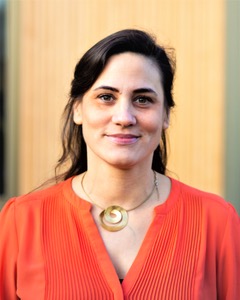
Prof. Dr. Teresa Schuhmann is Professor of Clinical Applications of Non-Invasive Brain Stimulation at Maastricht University and Mondriaan Mental Health Center, and Head of the Brain Stimulation and Cognition section within the Department of Cognitive Neuroscience at Maastricht University.
Her research focuses on the development, optimization, and clinical implementation of non-invasive brain stimulation techniques, particularly transcranial magnetic stimulation (TMS) and transcranial alternating current stimulation (tACS) for psychiatric and neurological disorders. Her work combines cognitive neuroscience, neurophysiology, and clinical research to improve treatment outcomes and advance personalized neuromodulation approaches.
For more than 20 years, Professor Schuhmann has been actively involved in research, education, and training in the field of brain stimulation. As a long-standing faculty member of the Academy of Brain Stimulation (AoBS), she has contributed to the training of clinicians, researchers, and technicians in the safe and effective application of neuromodulation techniques. She is also actively involved in the implementation of TMS within routine clinical care and contributes to national and international initiatives promoting evidence-based brain stimulation therapies.
Professor Schuhmann has authored numerous scientific publications and regularly provides education and training for clinicians and researchers in the field of neuromodulation.
Dr. Jonathan Downar is an Adjunct Professor in the Department of Psychiatry and Institute of Medical Science at the University of Toronto. He holds a clinical appointment at the Centre for Addiction and Mental Health in Toronto. He holds a PhD in functional neuroimaging from the University of Toronto, trained in medicine at the University of Calgary, and completed his psychiatry residency at the University of Toronto.
Dr Downar has been working as a clinician and researcher in the field of TMS since 2010. He has directly supervised the treatment of over 4000 patients with TMS, and has been indirectly involved in the care of over 10,000 patients over the last decade. He is consulted as an advisor to large TMS practices in the United States and Europe treating over 500 new patients every month.
Dr Downar has published over 200 peer-reviewed articles and book chapters on TMS and brain imaging, in journals including Lancet, JAMA Psychiatry, Nature Medicine, Nature Neuroscience, and Brain Stimulation. He is the senior author of the THREE-D study, a major Canadian TMS study published in Lancet in 2018 that demonstrated that TMS treatments could be reduced from 38 min sessions to 3 minute sessions with no loss of efficacy. He has also pioneered the use of novel single-day TMS protocols, including the recent ONE-D protocol that enables delivery of a full therapeutic course of TMS in a single visit.
He continues to develop novel protocols and novel TMS hardware to improve the overall practicality and economics of TMS, with the goal of achieving cost parity with pharmacotherapy and universal access to this powerful treatment
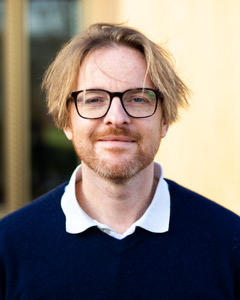
Dr. Felix Duecker is Associate Professor in the Department of Cognitive Neuroscience at Maastricht University and a member of the Brain Stimulation and Cognition group. He is a TMS researcher with a strong methodological focus, working at the intersection of cognitive neuroscience, non-invasive brain stimulation, and clinically relevant neuromodulation. His work is driven by the question of how TMS can be made more precise, interpretable, and useful across different settings, from controlled laboratory studies to applications that support and improve clinical practice.
He has authored more than 50 peer-reviewed scientific publications, and his work has been supported by national and international research grants. A central theme of Dr. Duecker’s research is that successful TMS application depends on the many methodological choices that shape a stimulation protocol and its interpretation. These include decisions about stimulation intensity, localisation, control conditions, outcome measures, tolerability, sensory side effects, and reproducibility.
His work develops and evaluates procedures for both laboratory and clinically relevant settings, with particular emphasis on personalised stimulation approaches and multimodal work combining brain stimulation with neuroimaging, electric-field modelling, behavioural methods, and experimental psychology.
These academic, methodological, and translational activities come together in Dr. Duecker’s supervision, teaching, and training. He supervises PhD candidates, postdoctoral researchers, and students working on TMS, neuroimaging, electric-field modelling, and cognitive neuroscience projects. At Maastricht University, he teaches in the Psychology, Brain Science, and Cognitive Neuroscience programmes.
As a founding member of the Academy of Brain Stimulation and the associated Academy of Brain Stimulation Foundation, he has supported the Academy’s educational mission for more than a decade and continues to contribute to the brain stimulation community through research, teaching, mentoring, and professional training for researchers, clinicians, and TMS technicians alike.
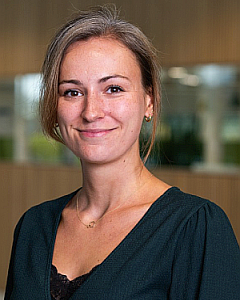
Eva is co-founder and director of Neurowave Amsterdam, a clinical practice specializing in TMS combined with psychotherapy for depression and obsessive-compulsive disorder (OCD). In her role, she is actively involved in clinical care as an rTMS technician and supervisor, contributing to the delivery and development of neuromodulation-based treatments.
She completed her PhD (2021–2025) at Brainclinics in collaboration with Maastricht University, focusing on heart–brain coupling TMS as a target engagement approach for depression. During this period, she also worked as a visiting PhD researcher at Brigham and Women’s Hospital (Harvard Medical School), where she contributed to collaborative neuroimaging (fMRI) research.
In addition, Eva serves as chair of the clinical committee of Stichting Hersenstimulatie and, since 2024, as director of De Hoofdlijn, a mental health care institution with multiple locations. Through her clinical, research, and leadership roles, she is committed to advancing the implementation of non-invasive brain stimulation and improving access to innovative, evidence-based mental health care in the Netherlands and Belgium.
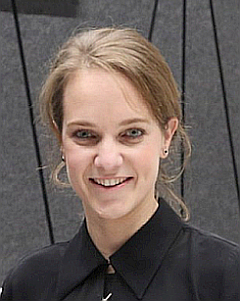
Dr. Tahnée Engelen is an Academy Research Fellow at the University of Jyväskylä. Her research focuses on brain-body interactions, their state-dependence, and how they relate to mental well-being. To better understand these research themes, she uses a combination of neuroimaging methods, such as TMS, tACS, MEEG, and physiological recordings.
She has a special interest in answering challenging questions on how the brain and body interact by using online combinations of these methods, thereby gaining more holistic insights into these complex interactions. As a member of the Academy of Brain Stimulation, dr. Engelen has been part of training of practical skills for providing TMS treatment as well as giving lectures on the state-of-the-art in clinical TMS treatment.
Dr. Jeyoung Jung is Assistant Professor in the School of Psychology at the University of Nottingham, where she leads advanced research combining non-invasive brain stimulation (NIBS) with state-of-the-art neuroimaging. She is internationally recognized for her expertise in multi-modal neuroimaging and has been a driving force behind integrating Transcranial Magnetic Stimulation (TMS) with advanced imaging techniques to map and modulate the complex neural networks driving human cognition and clinical disorders. Alongside her role at Nottingham, she holds a Visiting Professorship at the College of Medicine, Korea University, a position through which she drives critical international clinical partnerships. Over the past decade, Dr. Jung has pioneered innovative applications of TMS to investigate cortical excitability, cognitive performance, and brain plasticity. Her influential work using the repetitive TMS “virtual lesion” approach has been instrumental in establishing critical brain-behavioral relationships, particularly in mapping the role of the anterior temporal lobe (ATL) in human semantic cognition. By integrating concurrent TMS with functional magnetic resonance imaging (TMS/fMRI) and magnetic resonance spectroscopy (MRS), her research unravels how non-invasive stimulation alters local neurochemistry as well as distributed, functional brain networks.
Building upon these mechanistic insights, Dr. Jung successfully translates cutting-edge cognitive neuroscience into innovative clinical neuromodulation treatments. Through her strategic partnership at Korea University, she has spearheaded groundbreaking research programs, including neuroimaging-guided rTMS treatments for Major Depressive Disorder (MDD) and targeted brain stimulation protocols for stroke-aphasia rehabilitation. Her work directly tackles individual treatment variability by investigating how baseline neurochemical and network profiles predict patient responses, paving the way for personalized and highly predictive brain stimulation therapies globally.
Dr. Jung’s academic career is built on a foundation of prestigious research fellowships and competitive funding, including major grants from the Academy of Medical Sciences and the Medical Research Council (MRC UKRI). With an extensive record of peer-reviewed scientific publications in leading neuroscientific journals, she actively bridges the gap between basic cognitive neuroscience and clinical intervention. Through her international research initiatives and academic leadership, Dr. Jung continues to shape the future of non-pharmacological therapies, making her a prominent figure in the global neuromodulation and neurorehabilitation communities.
Dr. Iris Dalhuisen is a clinical neuroscientist and post-doctoral reseacher at Radboud University Medical Center in Nijmegen, the Netherlands. Her work focuses on optimizing rTMS and other non-invasive brain stimulation techniques for psychiatric disorders. She investigates the optimization of rTMS protocols, the development of synergistic interventions, and the integration of mechanistic insights into clinical practice. A key aim of her research is to incorporate neurophysiological measures to better understand treatment mechanisms and support more personalized approaches. Although her primary interest is depression, she is actively involved in neuromodulation research across a range of psychiatric and neurological conditions.
Dr. Dalhuisen has secured several competitive grants and has led, and continues to lead, multiple clinical trials on rTMS. Findings from her PhD trial have informed national treatment guidelines and reimbursement policies.
She is an active member of the Dutch Flemish Brain Stimulation Foundation and an invited member of the ECNP Neuromodulation Network, through which she advances public and professional understanding of brain stimulation research.
Dr. Debby Klooster has a background in biomedical engineering and is currently an assistant professor within the Electromagnetics for Care and Cure Lab within the department of Electrical Engineering at Eindhoven University of Technology (the Netherlands). She is also leader of the brain stimulation lab at Kempenhaeghe Epilepsy Center in Heeze.
In her research, Debby mainly focuses on improving the understanding of the working mechanisms of noninvasive brain stimulation methods, the effects of stimulation parameters, and the influence of individual brain characteristics on stimulation outcomes. To this end, she combines computational modeling with MR imaging and EEG signal processing techniques. She has most experience with transcranial magnetic stimulation, but is currently also investigating the potential of transcranial ultrasound stimulation and transcranial temporal interference stimulation. This research is supported by grants from the Netherlands Organization for Scientific Research (NWO) and the research Foundation Flanders (FWO). Her ultimate goal is to develop personalized stimulation protocols aimed at improving clinical effectiveness in various psychiatric and neurological disorders.
Debby works in many collaborations and maintains an active partnership with the Berenson-Allen Center for Noninvasive Brain Stimulation in Boston (Harvard Medical School, USA). Since 2026, she is also a guest researcher at the Brain Stimulation and Cognition Lab at Maastricht University. Besides that, she is an active member of the European Society for Brain Stimulation (ESBS) and she is a member of the Neuromodulation Network within the European College for Neuropsychopharmacology (ECNP).
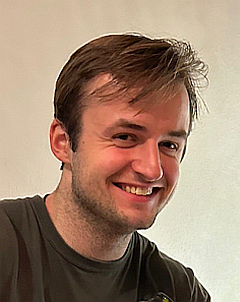
Thomas van der Velde is a medical doctor and PhD candidate at Maastricht University. Much of his work centres on pharmacologically augmenting transcranial magnetic stimulation (TMS) for a range of neuropsychiatric indications. His research also extends well beyond clinical trials, encompassing broader empirical, theoretical, and ethical dimensions of the field.
He is also an accredited TMS technician, regularly treating patients with a range of neuropsychiatric conditions and helping to establish TMS therapy within the Mondriaan mental health clinic in Maastricht.
Since May 2025, he has served as an instructor for the Academy of Brain Stimulation, teaching both in person and online during its “Hands-On” training sessions.
Dr. Tuba Aktürk is a Postdoctoral Researcher in the Brain Stimulation and Cognition group at the Department of Cognitive Neuroscience, Maastricht University.
She holds a double PhD in Neuroscience from Istanbul Medipol University and Cognitive Neuroscience from Maastricht University. Her research focuses on non-invasive brain stimulation in combination with EEG and neuroimaging to modulate and enhance cognitive functions, especially memory. Dr. Aktürk has experience with transcranial electrical stimulation techniques, including tDCS and tACS, in both healthy and clinical populations.
She has contributed to studies involving depression, adult ADHD, Alzheimer’s disease, Parkinson’s disease, and Lewy body disease. Her current research aims to develop neuroimaging-informed and individualized brain stimulation protocols for cognitive enhancement and for addressing cognitive deficits in clinical populations.
She has authored numerous peer-reviewed publications in cognitive neuroscience, clinical neurophysiology, brain stimulation, and EEG-based biomarkers, and has presented her work at major international conferences across the world.
Through her work, Dr. Aktürk aims to contribute to the development of personalized and mechanism- based neuromodulation approaches for cognitive and clinical applications.
Dr Theodoros Koutsomitros is a Consultant Psychiatrist and certified Psychotherapist from Greece. He has specialized in Adult Psychiatry at University Clinics in London (UCL) and Thessaloniki (AUTH) and has subspecialized in repetitive Transcranial Magnetic Stimulation (rTMS) in the Netherlands and the United States, at the universities of Maastricht and Harvard as well as at the PULSES course of Clinical TMS Society in Chicago and Neuromodec in New York. He is currently a PhD researcher/candidate at University of Maastricht in the Netherlands. He is the medical director of a private practice with a team of specialised psychiatrists and psychologists at SynaΨe : the European Medical Institute of Psychotherapy & Brain Stimulation. He is the founder and medical director of the Greek rTMS clinic, the largest rTMS clinic in Greece.
He has published several articles in the field of Non Invasive Brain Stimulation (NIBS) at high impact Journals and he has presented several posters related to NIBS Conferences. Since 2024 he was elected the representative of Greece at the European Society of Brain Stimulation (ESBS). In 2025 he was elected as board member of Clinical TMS Society (CTMSS) and in April 2026 we was elected secretary of the Brain Stimulation and Neuromodulation section the European Psychiatric Association (EPA). Along with his specialization in pioneering treatment of TMS, he has specialized in 9 different psychotherapeutic approaches (CAT,CBT, GPM,ISTDP, Existential, Family- Systemic, Group and Psychodynamic Psychotherapy and Psychoanalysis). He is since 2022 the co-chair of Psychotherapy Section of European Psychiatric Association (EPA) with his main legacy being the establishing of EFPT Psychotherapy Guidebook, one of the most comprehensive book ever written about the richness of different Psychotherapies
Dr Koutsomitros has received a variety of European and global accolades, either in the form of awards or by being elected to positions of responsibility in scientific communities. In 2019, he was the only Psychiatrist in the world to be honored for the second time in a row with the prestigious WPA ECP Fellowship World Award for Early Career Psychiatrists of the World Psychiatric Association. In 2019, he was elected President of the Early Career Psychiatrists of the Hellenic Psychiatric Association (Ε.Ψ.Ε.) with an important role for the upgrading of continuing education in Psychiatry in Greece. He was also co-chair of International College of NeuroPsychopharmacology (CINP) Young Member Engagement Committee from 2019 to 2022 with great collaborations worldwide. He has a strong scientific activity through international organizations and universities (articles, publications, research, conferences, books).
Álvaro Moleón-Ruiz, MD, MSc, is a psychiatrist specialized in clinical neuromodulation and interventional psychiatry. He is the Founder and Medical Director of the Andalusian Institute of Brain Health (IASC) in Seville, Spain, where he leads a multidisciplinary neuromodulation program integrating repetitive Transcranial Magnetic Stimulation (rTMS), Deep TMS, accelerated TMS protocols, tDCS, Transcranial Pulse Stimulation (TPS), and other emerging non-invasive brain stimulation technologies.
His clinical and research work focuses particularly on treatment-resistant depression and the optimization and personalization of TMS, including accelerated stimulation strategies and combined neuromodulation approaches. He is first author of numerous peer-reviewed scientific publications in the field of neuromodulation and an author of the Spanish Clinical Practice Guidelines on TMS and tDCS in Psychiatry.
Dr. Moleón-Ruiz has a strong commitment to education in brain stimulation. He regularly trains psychiatry and clinical neurophysiology residents, medical specialists, and other neuroscience professionals from Spain and abroad, through structured courses, hands-on TMS training, and clinical rotations at IASC.
He is also the Director and organizer of the Spanish Neuromodulation Meeting (Jornadas de Actualizaciones en Neuromodulación), one of Spain’s major scientific meetings dedicated to clinical neuromodulation, bringing together national and international experts across different brain stimulation disciplines.
He is actively involved in the development and dissemination of advanced neuromodulation strategies and regularly participates as faculty and invited speaker at national and international scientific meetings and training programs.